West Africa's festivals, biennales and cultural events are a step closer to sharing one regional calendar.
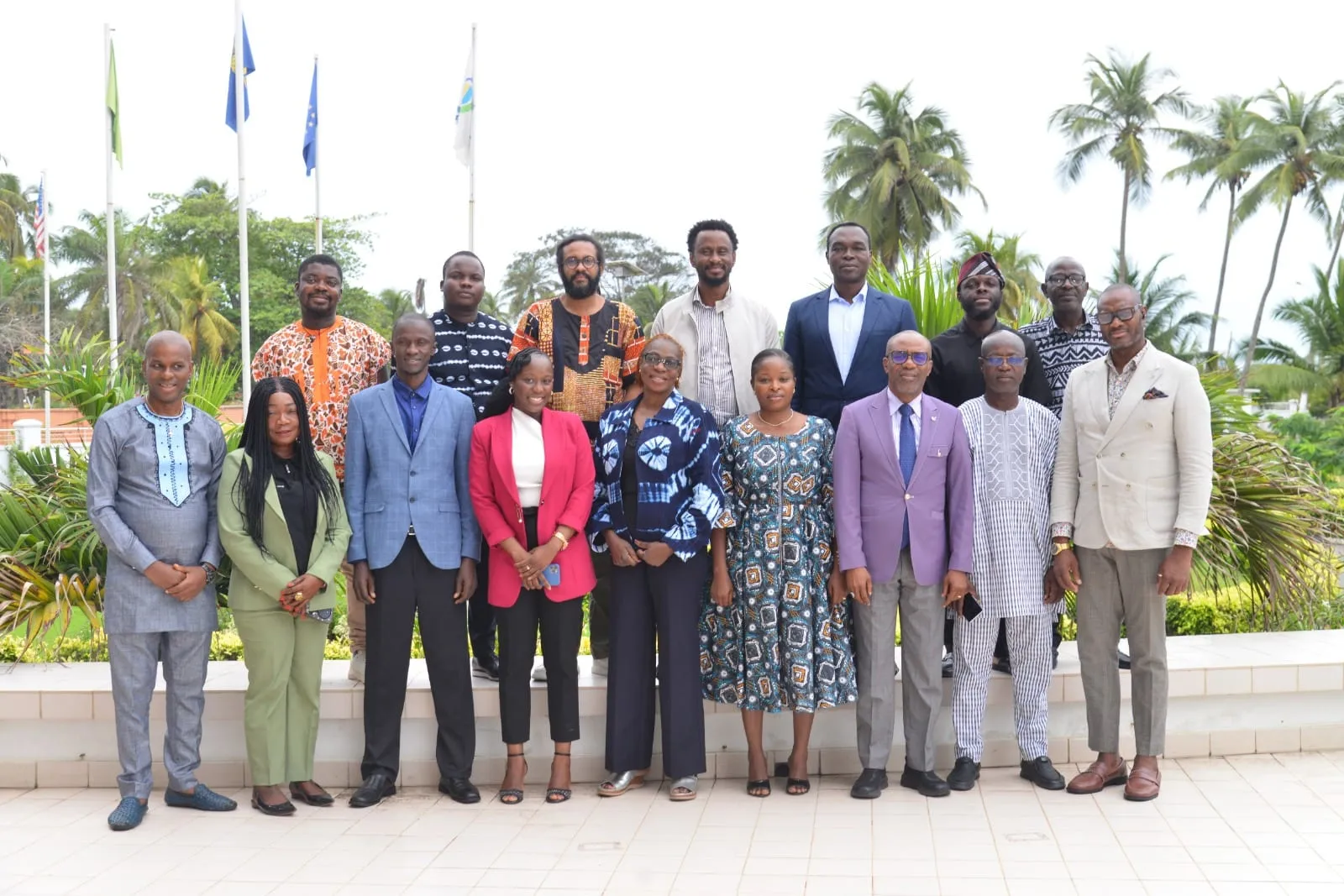
The ECOWAS Commission says culture experts from its member states have validated 624 cultural events for the ECOWAS cultural calendar, with room to add more. The work was done at a regional technical meeting held from October 21 to 23, 2026 at Hotel Lebene in Lomé, Togo.
The meeting was convened by the Commission's Directorate of Education, Science and Culture and also advanced plans for an ECOWAS Cultural Magazine.
Why it matters
The bloc says the project is part of a wider push to grow cultural and creative industries, build a regional market for cultural goods and services, and make West Africa's diverse cultural expressions more visible.
Speaking for Prof Nassirou Bako-Arifari, Commissioner for Human Development and Social Affairs, Dr Roland Kouakou, Director of Education, Science and Culture, said ECOWAS wants to use digital technologies to strengthen the region's cultural information system and deepen cooperation between member states.
Beyond approving the calendar submissions, participants worked on a harmonised regional cultural database. They also looked at how ECOWAS could give technical support to major national and international cultural events, and reviewed the criteria for financial support to significant festivals, biennales and cultural projects with a regional reach.
What comes next
The experts recommended that the regional calendar be updated every year to improve cultural statistics across the sub-region. They also called for more funding for major cultural events and for the cultural magazine to be produced every two years, spotlighting events of historical and cultural significance across member states.
The Commission said it remains committed to projects that strengthen cultural bonds and support the free movement of people, goods and services through the arts.
For festival lovers and culture travellers in Ghana and beyond, a single, regularly updated calendar could make planning a West African culture trip far easier. It also gives festival organisers a clearer route to regional visibility, and possibly to support.